
Growing
In
Faith
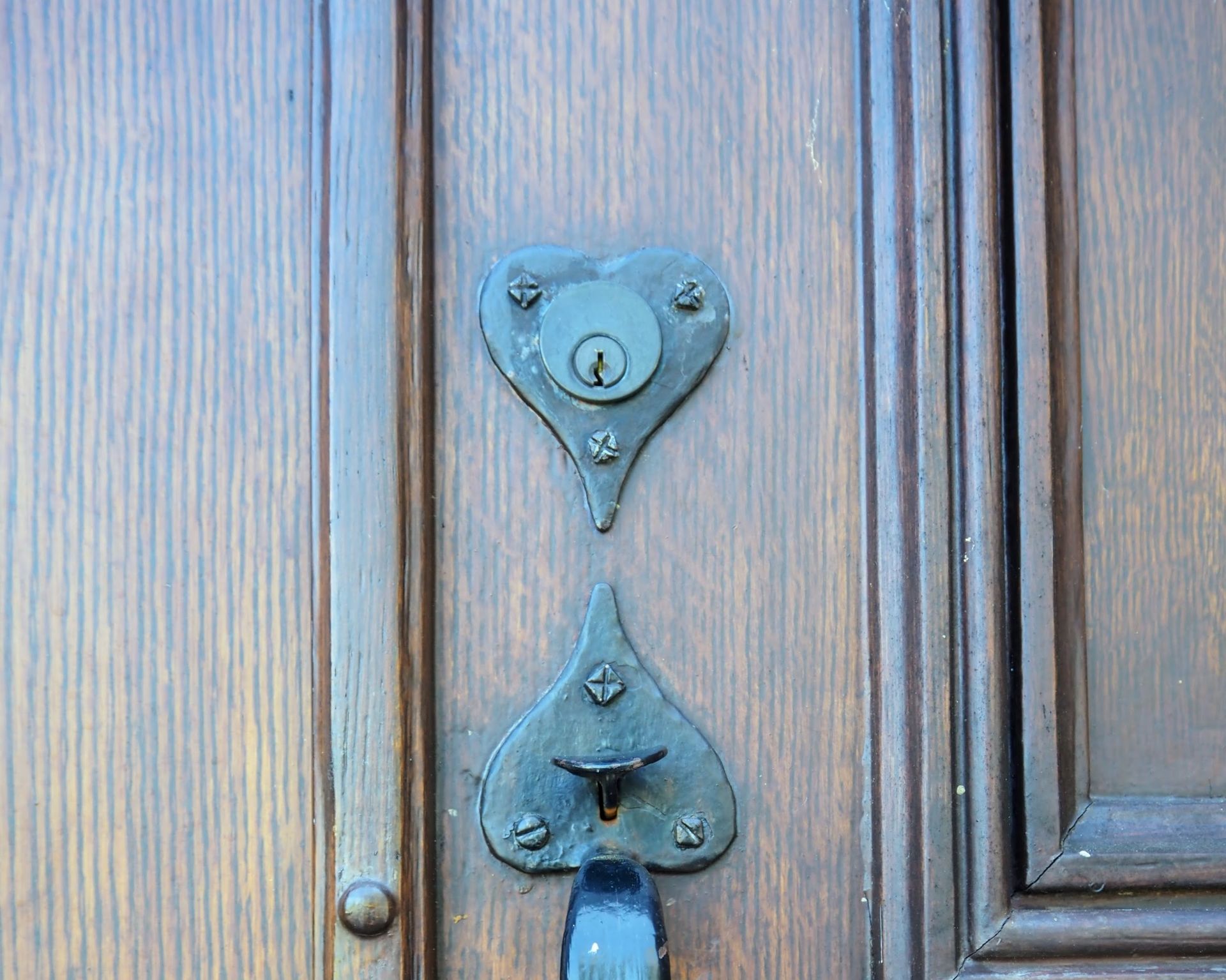
THE KEys to the Kingdom are in our Hands
The classic 1944 movie, The Keys of the Kingdom, starred Gregory Peck as an elderly Scottish priest, Fr. Francis Chisolm retired from many years as a missionary to China. He had returned to become pastor of his home parish. In the opening scene, an officious monsignor has come down from the diocesan office with a plan to remove Fr. Chisolm from the parish partly because of some unorthodox messages in his sermons. Reportedly, Fr. Chisolm has suggested such ideas as that Buddhists might have something to teach us and that there might be room in heaven for atheists.
The core of the movie unfolds in flashback when the monsignor finds and reads Fr. Chisolm lifetime diary recounting his years of struggle in China and his humble, loving, sacrificial service. Having the full story of Fr. Chisolm’s zeal and humanity, the monsignor changes the order to retire the former missionary. Here was a case in which a Hollywood film could steer us toward a more complete understanding of this weekend’s gospel message about the keys of the kingdom.
The reading from the Hebrew scriptures can introduce the theme. In the passage from Isaiah, the prophet speaks to a people who have spent two generations as exiles in Babylon after the destruction of the Jewish kingdom. He assures them of the promised return and rebuilding of Jerusalem. They should place their hopes and confidence in the power and compassion of God.
In the gospel Peter, representing the community of disciples, proclaims his faith in Jesus. In response, Jesus promises Peter “the keys of the kingdom.” This passage has unfortunately prompted countless wrongheaded cartoon interpretations. They show Peter standing at the pearly gates deciding who gets admission to a cloudy heaven. In reality, the image of keys of the kingdom has a much earthlier meaning.
I am not a fan of rewriting scripture or making my own unauthorized edits to the
Book of Common Prayer. But Sunday after Sunday, I wish I could make one minor edit to the Lord’s Prayer, just moving one punctuation mark. (This is legitimate, I argue, because the original scripture texts had virtually no punctuation parks.) Here is my minor rewrite: from “Thy kingdom come, thy will be done, on earth as it is in heaven” to “Thy kingdom come, thy will be done on earth, as it is in heaven”.
My punctuation emphasizes that the heavenly kingdom comes when the will of God is done here on earth. In parable after parable in the gospels, Jesus gives us images and stories expressing the meaning of the kingdom. The common thread is that the kingdom is filled with the mercy, love, and compassion that Fr. Chisolm sacrificed so much for during his mission in China. (Incidentally, we will be exploring that common thread this coming fall in the parish Friday morning bible study on the Parables of the Kingdom.)
When I was a boy, we would sometimes experiment with toy magnifying glasses. Taking the light from the sun, we would concentrate it enough through the glass to set fire to leaves or scrapes of paper. I find in that an image of the presence of our loving God in Jesus. The light of God is so concentrated in the compassion and love of Jesus as to set the fire of the Spirit ablaze in the world. In the church, disciples of Jesus have the power to spread the blazing love of the Kingdom here in our place on earth. Through its outreach and pastoral care St. Mary’s spreads that love in many ways, and I have been a grateful recipient over the past weeks following my surgery.
The great priest, scientist and philosopher Pierre Teilhard de Chardin once expressed this visionary hope for the love of the heavenly kingdom here on earth:
Someday, after mastering the winds, the waves, the tides and gravity, we shall harness for God the energies of love, and then, for the second time in human history, man will have discovered fire.
Questions for Reflection:
- When you pray, “Thy kingdom come,” what do you imagine God’s kingdom looking like in the world around you?
- Fr. Chisolm’s life challenged conventional ideas about who belongs within God’s embrace. Where might God be asking you to widen your own understanding of welcome, compassion, or belonging?
- What are some ways you have experienced the love and compassion of God through the actions of another person or a community?
- If we have been given “the keys of the kingdom,” how might you use your own gifts to help unlock God’s mercy, love, and compassion in the world this week?